450W, 550W, 650W and Bifacial Solar Panels: Which Should You Choose?
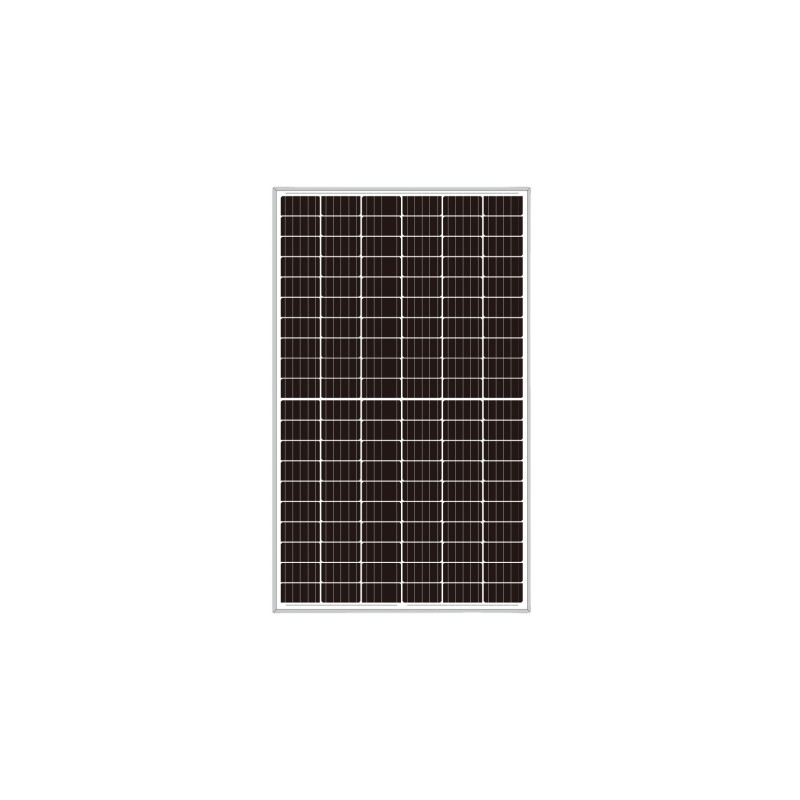
The wattage printed on a solar panel indicates its rated power under standard test conditions. A higher-wattage panel can deliver more rated power per module, potentially reducing the number of panels required for a given array capacity.
However,
wattage is not the only consideration. Panel dimensions, efficiency, roof
space, inverter input limits, shading, and installation conditions all matter.
450W
solar panels
A 450W panel
can be a practical option for residential systems where panel dimensions and
the inverter's input requirements suit the installation. It may also be useful
when replacing or expanding an existing array, provided the electrical
characteristics are compatible.
550W
solar panels
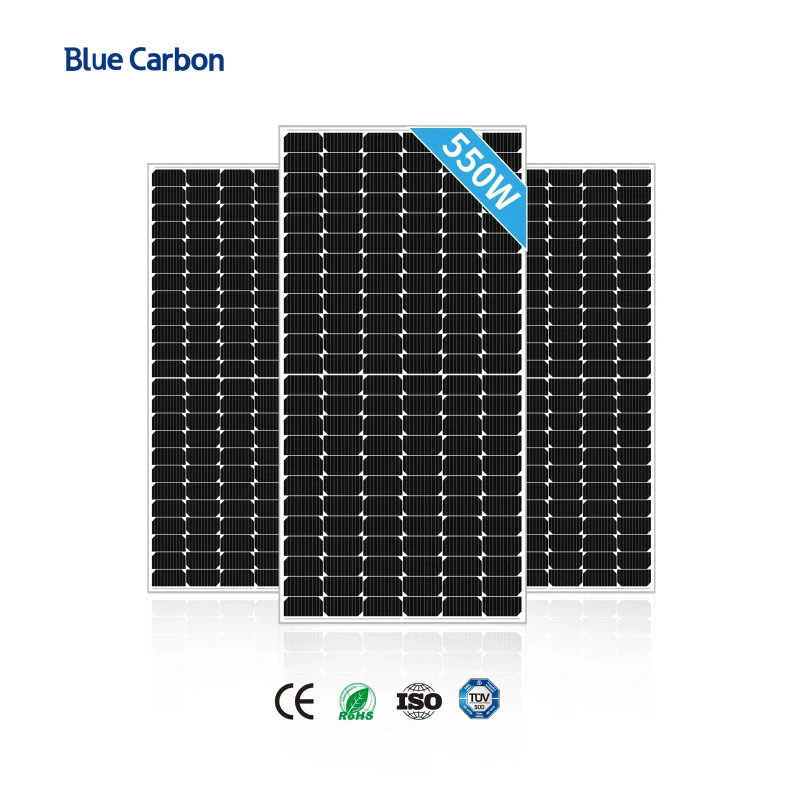
A 550W panel
is a common option for residential and commercial installations because it
offers a balance between rated output and the number of modules needed.
For example,
six 550W panels provide a combined rated capacity of 3.3kW. Actual generation
varies with sunlight, temperature, orientation, shading, and system losses.
650W
solar panels
A 650W panel
can help achieve a larger array capacity with fewer modules. However,
higher-output panels can be physically larger and may have different voltage
and current characteristics. Confirm roof space, mounting requirements,
handling needs, and inverter compatibility before purchasing.
Bifacial
solar panels
Bifacial
panels can generate electricity from both their front and rear surfaces. Their
additional output depends on factors such as the mounting height, ground
reflectivity, panel spacing, and shading behind the module.
A bifacial
panel installed over a reflective surface with suitable rear exposure may
produce more energy than its front-side rating alone suggests. On a dark roof
or a mounting arrangement that blocks the rear, the additional benefit may be
limited.
+1
12. Solar
Panel Price Comparison by Wattage
The
following table summarises indicative Nigerian market prices reported in
October 2026. Prices are for individual panels, not complete solar systems.
|
Panel
type |
Indicative
price per panel |
|
450W
monocrystalline |
₦95,000–₦100,000 |
|
550W
monocrystalline |
₦110,000–₦115,000 |
|
600W
monocrystalline |
₦130,000–₦140,000 |
|
650W
monocrystalline |
₦150,000–₦155,000+ |
|
550W–650W
bifacial |
₦160,000–₦165,000+ |
These are
indicative budgeting ranges, synthesized from published Nigerian price
listings, not verified prices for every brand or model. Some listings fall
outside these ranges. Confirm the exact model and current price before
ordering.
+3
How to
compare value: price per watt
One way to
compare panels of different sizes is to divide the price by the rated wattage.
For example,
if a 450W panel costs ₦120,000:
\[ ₦120,000\div450=₦266.67/\text{W}
\]
If a 550W
panel costs ₦150,000:
\[
₦150,000\div550=₦272.73/\text{W} \]
In this
example, the 450W panel offers a slightly lower purchase price per rated watt,
although the 550W panel provides more total capacity per module.
Price per
watt is useful, but it does not tell the whole story. Also compare efficiency,
warranty, product authenticity, degradation specifications, and expected energy
production.
13. How
Many Solar Panels Do You Need for Your Home?
The number
of panels depends on your daily energy consumption, available sunlight, roof
space, inverter limits, and battery-charging requirements.
For
illustration, consider an array made up of 550W panels.
|
Number
of panels |
Combined
rated capacity |
|
4 |
2.2kW |
|
6 |
3.3kW |
|
8 |
4.4kW |
|
10 |
5.5kW |
|
12 |
6.6kW |
|
16 |
8.8kW |
These are
total nameplate capacities. They do not represent constant power output
throughout the day.
A system
with ten 550W panels has a rated capacity of 5.5kW. Actual energy production
depends on local solar conditions, panel orientation, temperature, shading, and
electrical losses.
Before
selecting the number of panels, your installer should calculate the required
daily energy, consider the amount needed to recharge the battery, and check the
inverter's maximum PV input voltage, current, and power.
Important:
Do not connect panels based only on the total wattage. The array's open-circuit
voltage and operating current must remain within the inverter's specified
limits.
14. What
Affects Solar Panel Prices in Nigeria?
Several
factors explain why two panels with the same wattage may have different prices.
- Manufacturer and brand:
Established manufacturers may provide traceable product documentation and
defined warranty processes.
- Cell technology: PERC, TOPCon
and other cell technologies have different performance characteristics.
- Efficiency: Higher efficiency
can produce more power from a given surface area, which matters where roof
space is limited.
- Bifacial construction: Bifacial
panels may cost more, although their price and additional energy yield
vary by model and installation.
- Warranty and degradation:
Compare product warranty, performance warranty, and the manufacturer's
stated degradation rate.
- Importation and exchange rates:
Currency changes, shipping costs, and stock availability can affect
Nigerian retail prices.
- Purchase quantity: Bulk
purchases may attract different pricing from single-panel orders.
- Delivery and handling: Large
panels require suitable transportation and careful handling, which may add
to the final cost.
Ask for the
manufacturer's datasheet and warranty documentation. Be cautious about products
with no traceable manufacturer, unclear model numbers, or ratings that cannot
be verified.
15. How
to Choose the Best Solar Panels for Blue Carbon Solar Systems
When
choosing panels for a solar installation using Blue Carbon products, consider
the whole system rather than selecting panels in isolation.
Blue
Carbon's published product range includes monocrystalline solar panels in capacities
such as 320W, 420W, 550W, and 650W. Availability and exact specifications
should be confirmed for the model you intend to purchase.
Visit the
official Blue Carbon
Nigeria website to explore its solar products and request current pricing.
Before
purchasing, check:
- The panel's exact model and
rated wattage.
- Efficiency, dimensions, weight,
and mounting requirements.
- Open-circuit voltage (Voc) and
maximum-power voltage (Vmp).
- Short-circuit current (Isc) and
maximum-power current (Imp).
- Whether the inverter supports
the proposed string configuration.
- The product and performance
warranty.
- Whether the panel is monofacial
or bifacial and whether your installation can benefit from rear-side
generation.
- The total price, including
delivery and any installation costs.
A properly
matched panel array can help improve system performance and support effective
battery charging.
16.
Common Mistakes to Avoid When Buying Solar Panels
Choosing
solely by wattage: A 650W panel is not automatically the best option for every
installation. Its dimensions and electrical characteristics must suit the
available space and inverter.
Ignoring the
inverter's voltage limit: Connecting too many panels in series can exceed the
inverter's maximum permitted PV voltage, particularly in cooler conditions.
Assuming
bifacial panels always generate more energy: Rear-side gains depend on
installation conditions and can be small when the rear surface receives little
reflected light.
Buying
without a datasheet: Without verified electrical specifications, it is
difficult to design the correct array or confirm compatibility.
Ignoring the
complete system budget: Solar panels are only one part of the installation.
Batteries, inverter, mounting structures, cables, protection devices, and
installation may add substantially to the cost.
Neglecting
installation quality: Poor mounting, incorrect wiring, inadequate protection,
and shading can reduce output and create safety risks. Solar installation
should be performed by a qualified professional.
Frequently
Asked Questions
How much
is a 450W solar panel in Nigeria in 2026?
Published
Nigerian listings suggest a broad price range of approximately ₦95,000–₦140,000
for selected 450W panels, although some branded or premium products cost more.
Confirm the exact model and current supplier price.
+1
How much
is a 550W solar panel in Nigeria?
Selected
550W panels are listed at approximately ₦115,000–₦190,000, depending on brand,
technology, and seller. Premium models and some retail listings may be more
expensive.
+1
How much
is a 650W solar panel in Nigeria?
A useful
budgeting estimate for selected 650W-class panels is approximately
₦155,000–₦250,000 or more. Prices vary by manufacturer, technology, and
supplier. Request a quotation for the exact model.
+2
Are
bifacial solar panels better than ordinary panels?
They can be,
particularly when the installation allows reflected sunlight to reach the rear
of the panel. The additional energy yield depends on the mounting arrangement,
surface reflectivity, and shading. Compare the cost and expected generation for
your particular site.
Are solar
panel prices inclusive of installation?
Not
necessarily. The listed prices in this article are estimates for the panels
themselves. Ask the supplier whether transportation, mounting, wiring,
protection equipment, and labour are included in the quotation.
Where can
I buy Blue Carbon solar panels in Nigeria?
Visit bluecarbon.ng to
explore the available products and contact Blue Carbon Nigeria for current
prices, model specifications, and availability.
Conclusion
The solar
panel price in Nigeria in 2026 depends on wattage, brand, cell technology,
efficiency, warranty, and supplier. For many residential and commercial
installations, 450W, 550W, and 650W panels offer useful options for building an
appropriately sized solar array. Bifacial panels may provide additional energy
where installation conditions are favourable.
Before
buying, compare the price per watt, verify the product datasheet, and ensure
that the panels are compatible with your inverter and overall system design.
For
customers considering Blue Carbon solar panels, contact Blue Carbon Nigeria for
an up-to-date quotation and guidance on selecting suitable panels for your home
or business.
Tags: solar panel price in Nigeria 2026, 450W solar panel price Nigeria, 550W solar panel price Nigeria, 650W solar panel price Nigeria, bifacial solar panels Nigeria
Recent Posts
48V Lithium Battery in Nigeria: Prices, Capacity, Lifespan & Best Uses

10kWh Lithium Battery Price in Nigeria: Capacity, Backup Time & Cost
15kWh Lithium Battery Price in Nigeria: What You Need to Know Before Buying
Lithium Battery Price in Nigeria 2026: Complete Buying Guide