Solar Street Light Price in Nigeria 2026: Complete Buying Guide
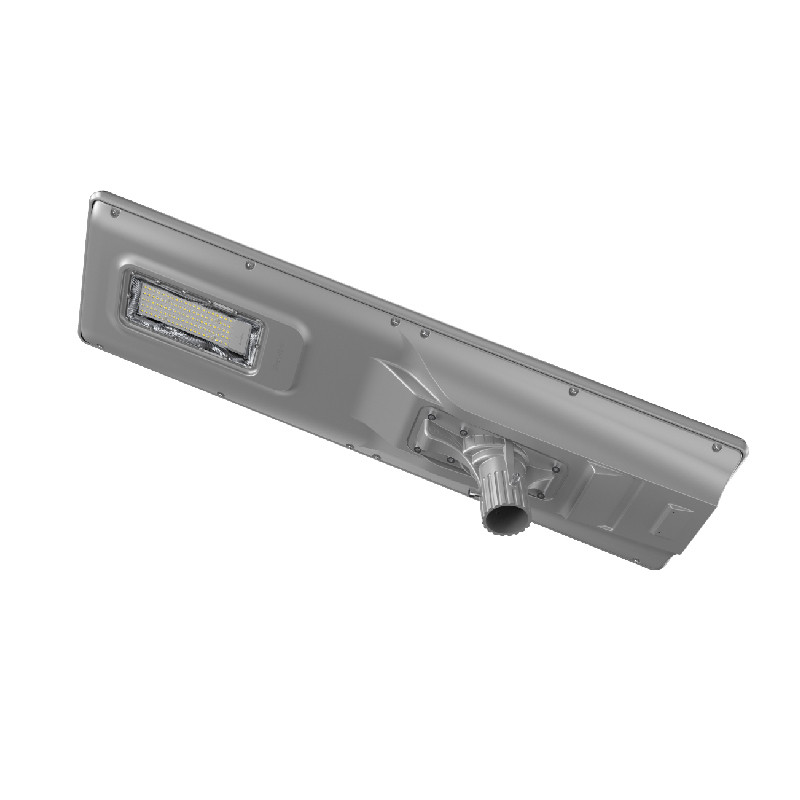
Solar street lights are becoming an increasingly practical lighting solution for residential estates, highways, schools, factories, commercial properties and public infrastructure across Nigeria. They help reduce dependence on grid electricity, lower recurring energy costs and provide outdoor illumination in locations where connecting to the national grid may be expensive or difficult.
However,
solar street light prices in Nigeria in 2026 vary significantly depending on
the actual LED output, battery capacity, solar panel size, brand, pole height,
installation requirements and warranty.
For
customers considering BLUE CARBON solar street lights, this guide explains
estimated market prices, different types of solar street lights, essential
features to check before purchasing, installation costs and how to choose a
suitable lighting system for your project.
1. Solar
Street Light Prices in Nigeria in 2026
Publicly
listed prices in Nigeria vary considerably. Basic, compact solar lights can
cost tens of thousands of naira, while higher-specification branded units and
commercial systems can cost several hundred thousand naira per lighting point.
Current supplier listings illustrate why buyers should compare specifications
rather than price alone.
The
following table provides indicative budgeting ranges, not official BLUE CARBON
prices.
|
Solar
street light type |
Estimated
supply-only price |
|
30W–40W |
₦30,000–₦100,000 |
|
50W–60W |
₦45,000–₦150,000 |
|
80W |
₦70,000–₦230,000 |
|
100W |
₦80,000–₦280,000 |
|
120W |
₦100,000–₦350,000 |
|
150W |
₦120,000–₦450,000 |
|
200W |
₦200,000–₦550,000 |
|
Heavy-duty
commercial or road-lighting systems |
₦250,000–₦600,000+ |
Prices are
broad estimates compiled from public Nigerian supplier listings available in
2026. They cover products with differing specifications and are not directly
comparable. Poles, foundations, delivery, installation and VAT may be excluded.
Confirm current prices and specifications with the supplier before placing an
order.
What
determines the price?
Two products
advertised as 100W solar street lights may have very different prices because
they may use different batteries, solar panels, LEDs, controllers and housing
materials. Some marketplace advertisements also use exaggerated wattage labels.
For a more
reliable comparison, ask suppliers for the actual LED power, lumen output,
solar panel wattage, battery capacity in watt-hours (Wh), battery chemistry,
expected operating hours and warranty terms.
2. BLUE
CARBON Solar Street Lights: Models and Features

BLUE CARBON
100W All-in-One Integrated Solar Street Light
The BLUE
CARBON BCT-OLF100W is listed on the official website for residential,
commercial and industrial applications. Its published specifications include a
monocrystalline solar panel, LiFePO₄ battery, intelligent light control and
adjustable lighting modes.

Blue
Carbon+1
- Model: BCT-OLF100W
- Published light output: 8,000
lumens
- Battery chemistry: LiFePO₄
- Recommended installation height:
8–10 metres
- Listed warranty: 10 years
Confirm the
full model specification, warranty coverage and current price before ordering.
View
product on Blue Carbon Nigeria

BLUE CARBON
120W-class Integrated Solar Street Light
The
published BCT-OLF-140W product specification identifies a 140W solar panel and
approximately 12,000 lumens of light output for a product described as a 120W
integrated street light.

Blue Carbon
Nigeria
- Intelligent power control
- LiFePO₄ battery
- Remote-adjustable lighting modes
- Recommended installation height:
10–12 metres
- Published warranty: 10 years
These
specifications illustrate why it is important to verify the precise model
number. Product names and nominal wattage labels can differ from the detailed
specifications displayed on a product page.
For current
quotations, bulk-order pricing and available models, visit BLUE CARBON Nigeria.
3. Types
of Solar Street Lights Available in Nigeria
Understanding
the different designs will help you select the most suitable product for your
property or project.

All-in-One
Solar Street Lights
These
combine the solar panel, LED light, battery and controller into one fitting.
They are suitable for residential compounds, estate roads, schools, car parks
and commercial premises. Installation is usually simpler because fewer separate
components and cables are required.

Split-Type
Solar Street Lights
These use a
separate solar panel connected to the lamp and battery system. They can offer
greater flexibility in panel positioning and component sizing, making them
worth considering for larger roads and demanding commercial installations.

Heavy-Duty
Commercial and Highway Systems
These are
designed around the lighting requirements of wider roads, industrial facilities
and large public spaces. Pole strength, wind loading, battery reserve, lighting
uniformity and maintenance access become especially important.
4. How to
Choose the Right Solar Street Light Wattage
The correct
wattage depends on the width of the road, required brightness, pole height,
spacing between poles and how many hours the light must operate.
|
Application |
Suggested
starting point |
|
Small
compound entrance |
30W–60W |
|
Residential
driveway or walkway |
40W–60W |
|
Estate
roads and car parks |
60W–100W |
|
School
premises and commercial compounds |
80W–120W |
|
Industrial
facilities and larger access roads |
100W–150W
or a professionally designed system |
|
Highways
and public infrastructure |
Site-specific
lighting design |
These are
preliminary selection ranges, not guaranteed coverage specifications. A
properly designed project should use verified lumen output, beam distribution,
road dimensions and pole spacing to determine the actual requirement.
Important: A
higher wattage does not automatically guarantee better illumination. A
well-designed light with efficient LEDs and suitable optics can perform better
than a product with a larger advertised wattage but poor light distribution.
5. What
Affects Solar Street Light Prices?
Several
factors influence the final price of a solar street light in Nigeria.
Battery
capacity and chemistry
The battery
stores energy generated during daylight for use at night. Battery chemistry,
usable capacity, operating temperature and battery management affect cost and reliability.
LiFePO₄ batteries are commonly used in higher-quality solar lighting products.
Solar
panel size and efficiency
A suitably
sized panel helps recharge the battery during available daylight. Panel output,
orientation, shading, dust and rainy-season conditions affect how much energy
can be collected.
LED
brightness and optical design
Check the
stated lumen output and light distribution rather than relying exclusively on
the wattage advertised on the package. These specifications help determine whether
the product can illuminate the intended area.
Housing
and weather resistance
Outdoor
equipment should withstand rain, dust, heat and other environmental conditions.
Ask for the product's ingress-protection rating, corrosion resistance and
installation requirements.
Pole,
foundation and installation
A complete
project may require steel poles, concrete foundations, brackets, lifting
equipment, transport and skilled labour. These expenses can substantially
increase the cost beyond the light itself.
Warranty
and after-sales support
A clear
written warranty and access to replacement components can be more valuable over
time than a low initial purchase price. BLUE CARBON's published warranty terms
list a 10-year warranty period for eligible solar street lights, subject to the
specific model documentation and warranty conditions.
Blue
Carbon+1
6. How
Much Does Solar Street Light Installation Cost?
The total
cost of installing a solar street light depends on the project location, pole
specification, soil conditions, access to the site, number of units and
installation method.
A project
quotation may include the following:
- Solar street light fitting
- Galvanised steel pole and
mounting bracket
- Concrete foundation and anchor
bolts
- Excavation and civil works
- Transport and delivery
- Installation labour and lifting
equipment
- Testing, commissioning and
handover
For accurate
budgeting, request an itemised quotation that separates the cost of each light
from the pole, foundation, transport and installation. Confirm whether taxes
and other applicable charges are included.
For large
projects, a site survey is particularly important. A quotation for 100 units
may be misleading if it excludes foundations, access equipment or delivery to
the project location.
7. How to
Calculate the Cost of a Bulk Solar Street Light Project
For estate
developers, contractors, schools, local governments and other organisations,
use this basic formula:
\[
\text{Total Project Cost} = \text{Light Cost}+\text{Pole
Cost}+\text{Installation}+\text{Logistics}+\text{Other Costs} \]
For example,
if a project requires 100 lights, the total cost should be calculated using the
quoted price per unit plus all additional project expenses.
Do not
estimate a major project using the cheapest retail light price. Request a
quotation based on the exact model, pole height, lighting layout, delivery
location and required completion date.
Bulk
purchasers should also ask about:
- Volume discounts and payment
terms
- Stock availability and delivery
schedule
- Product datasheets and
compliance documents
- Warranty registration and claim
procedures
- Spare parts and after-sales
support
- Testing and acceptance criteria
8.
Checklist Before Buying Solar Street Lights in Nigeria
Use this
checklist before making payment:
Buying
checklist
0 of 10
Confirm
actual LED wattage and lumen output
Verify
battery chemistry and capacity
Check solar
panel wattage and charging requirements
Confirm
expected night-time operating hours
Request the
IP rating and product datasheet
Check
whether the pole and mounting accessories are included
Confirm
installation and delivery costs
Obtain
written warranty terms and proof of purchase
Verify model
availability and replacement-part support
For road
projects, approve the lighting layout and pole spacing
Copy
checklist
9. Why
Consider BLUE CARBON Solar Street Lights?
BLUE CARBON
Nigeria offers solar lighting products for residential, commercial and
industrial applications. Its published range includes integrated solar street
lights, with models designed for outdoor lighting and applications where
connection to the electricity grid may be impractical.
Blue
Carbon+2
When
evaluating BLUE CARBON for your project, consider:
- Product options: Compare the
available models and their verified specifications against the project
requirements.
- Lighting performance: Check
lumen output, installation height and recommended spacing.
- Energy storage: Confirm the
battery type and capacity, alongside the expected operating hours.
- Warranty documentation: Obtain
the model-specific warranty terms in writing.
- Project support: Request a
quotation that clearly identifies supply, delivery and installation costs.
For
contractors and bulk buyers, it is especially important to confirm that the
quoted model meets the project's technical specification before issuing a
purchase order.
10.
Frequently Asked Questions
How much
is a solar street light in Nigeria in 2026?
Indicative
market prices range from around ₦30,000 for some small, entry-level lights to
₦600,000 or more for higher-specification commercial systems. Branded units,
poles and installation can increase the final price considerably. Confirm the
exact specification and current supplier quotation before purchasing.
How much
is a 100W solar street light in Nigeria?
Public
supplier listings show a wide range for 100W-class products, from approximately
₦80,000 to ₦280,000 for some products, with certain branded units listed at
higher prices. The actual cost depends on the product specification, brand and
whether accessories are included. This is a market estimate, not an official
BLUE CARBON quotation.
Best Brands
& Buying Guide+2
How much
is a 120W solar street light?
Indicative
prices range from about ₦100,000 to ₦350,000 for some 120W-class products.
Commercial models with stronger components or additional installation
requirements may cost more. Always compare the real lumen output, battery
capacity and panel specification.
Do solar
street lights work during the rainy season?
They can
continue operating during periods of cloudy weather, but charging may be
reduced when sunlight is limited for several days. Battery capacity, lighting
schedules, panel sizing and energy-saving modes all affect performance. For
critical roads and public infrastructure, design the system with an appropriate
energy reserve.
Do solar
street lights come with poles?
Not
necessarily. Some products are sold as light fittings only, while other
packages may include mounting accessories or poles. Ask the supplier to specify
exactly what is included in the quotation.
What
warranty does BLUE CARBON provide on solar street lights?
BLUE
CARBON's published warranty schedule lists 10 years for eligible solar street
lights. The applicable coverage depends on the specific model and warranty
documentation, and exclusions may apply to damage caused by improper
installation, physical impact or other excluded conditions.
Blue Carbon
Are solar
street lights suitable for highways?
Yes,
provided the system is designed for the highway's lighting requirements.
Highway projects need careful consideration of pole height, road width,
lighting uniformity, structural strength, battery reserve and maintenance
access. A site-specific design is recommended rather than selecting products
based on wattage alone.
Conclusion
Solar street
lights offer Nigerian households, businesses, estate developers and public
infrastructure projects a way to provide outdoor lighting without depending
entirely on grid electricity. But the right purchasing decision involves more
than comparing advertised prices.
Before
buying, verify the product specifications, battery capacity, actual light
output, warranty, pole requirements and total installation cost. For larger
projects, request a detailed technical proposal and an itemised quotation.
For BLUE
CARBON solar street light enquiries, contact the team through the official website or
call 09042103985. You can also email enquires@bluecarbon.ng to request current
pricing, product specifications and bulk-order information.
Trusted Source for Solar Energy Solution
Tags:
solar street light price in Nigeria 2026, 100W solar street light price
Nigeria, 120W solar street light Nigeria, Blue Carbon solar street light,
all-in-one solar street light Nigeria
Recent Posts
48V Lithium Battery in Nigeria: Prices, Capacity, Lifespan & Best Uses

10kWh Lithium Battery Price in Nigeria: Capacity, Backup Time & Cost
15kWh Lithium Battery Price in Nigeria: What You Need to Know Before Buying
Lithium Battery Price in Nigeria 2026: Complete Buying Guide